Crack Sealing
- Crack cleaning with compressed air and routing if needed
- Hot rubberized crack filler heated to 375°F
- Backer rod installation for cracks wider than 1/2 inch
- Pour pot or wand application
- Slightly overfilled to account for settling
- Spring or fall application for proper bonding
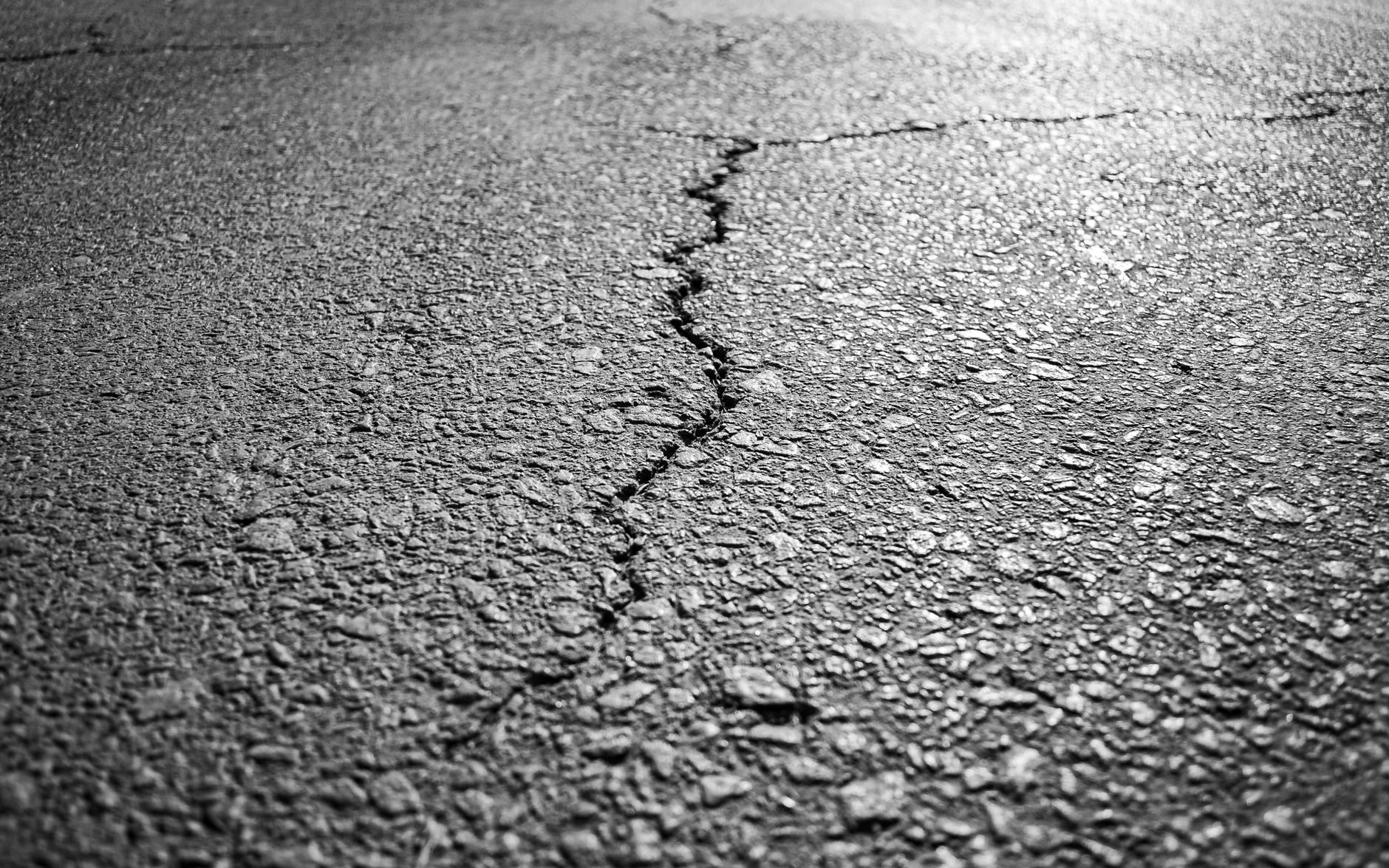


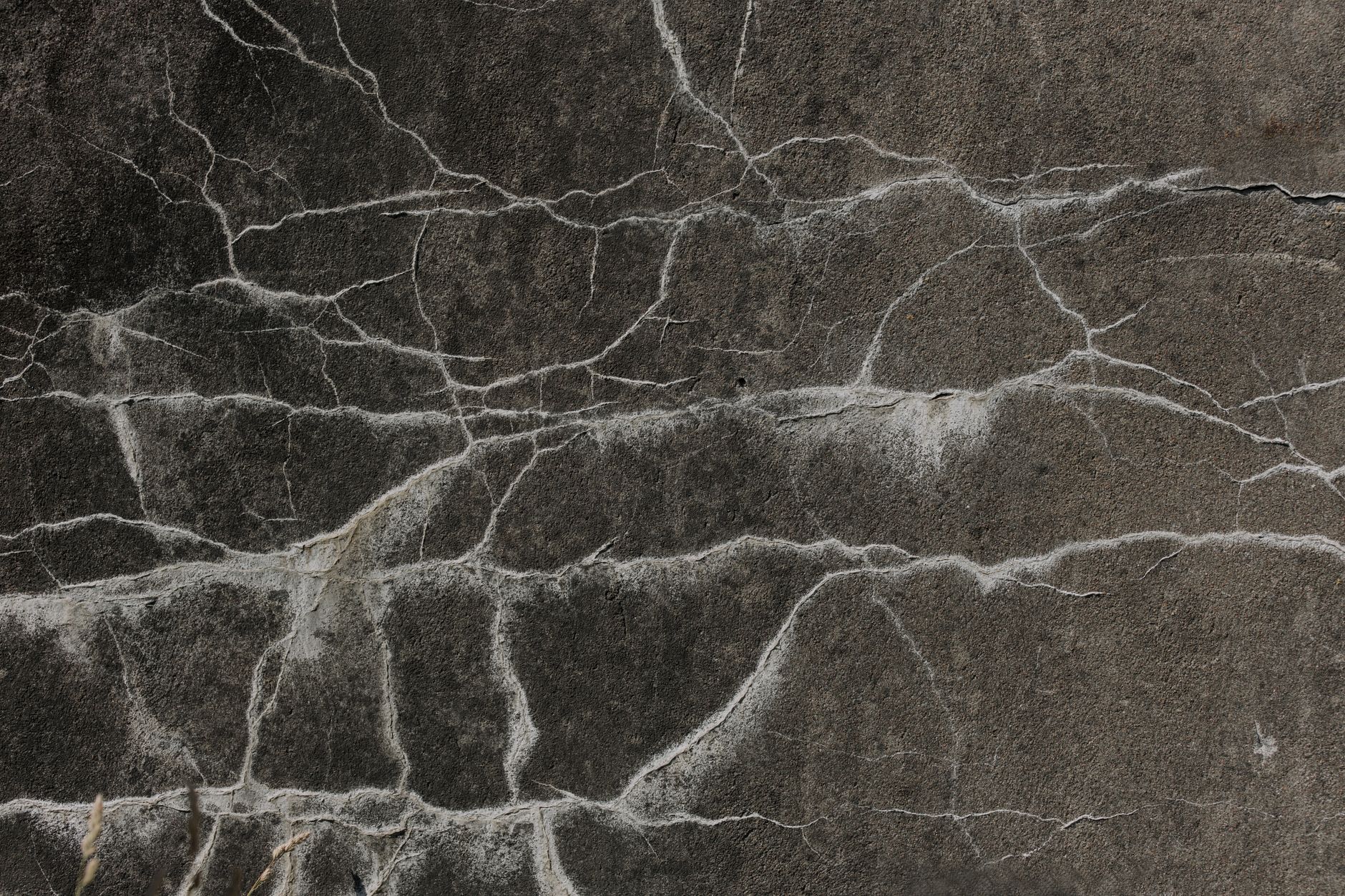

Cracks let water into the base, and water is what destroys asphalt from underneath. Crack sealing stops that. It's not a structural repair—it won't fix why the crack formed—but it keeps the crack from turning into a bigger problem.
Premier Asphalt Repair uses hot rubberized crack filler, not the cold stuff from a caulk tube. Hot-pour material stays flexible through freeze-thaw cycles, which is what you need in Tennessee where winter temps swing above and below freezing. We heat the material in a melter to around 375°F, then apply it into the crack with a pour pot or a wand applicator.
Before filling, we clean the crack—blow out dirt and vegetation with compressed air, sometimes route it wider with a crack router if it's narrow. Clean edges mean the filler bonds to the asphalt instead of just sitting on top. Once the crack is clean, we fill it slightly overfull; the material will settle and compact under traffic.
“Cracks let water into the base, and water is what destroys asphalt from underneath. Crack sealing stops that.”
Cracks wider than 1/2 inch sometimes get backer rod first—a foam rope that fills the deep part of the crack so you're not wasting filler material. Then we cap it with hot-pour sealant.
Crack sealing is maintenance, not repair. If the pavement is already alligatored or if the cracks are moving—opening and closing with temperature swings—sealing won't stop the failure. But if you catch cracks early, sealing them every few years keeps water out and extends the life of the pavement.
We do crack sealing in spring and fall when temperatures are moderate. Too hot and the filler stays soft; too cold and it doesn't bond properly.
Premier Asphalt Repair handles crack sealing across Greater Smith County—residential driveways showing early cracking, parking lots where cracks are starting to spread, any asphalt surface where water intrusion is the next problem if you don't stop it now.