Sealcoating
- Surface cleaning (power wash for oil stains, sweep and blow for dirt)
- Crack filling with rubberized filler before sealer application
- Two-coat application of coal-tar or asphalt-emulsion sealer
- Spray or squeegee application depending on surface and size
- Weather-dependent scheduling (no rain, temps above 50°F)
- 24-48 hour cure time before traffic
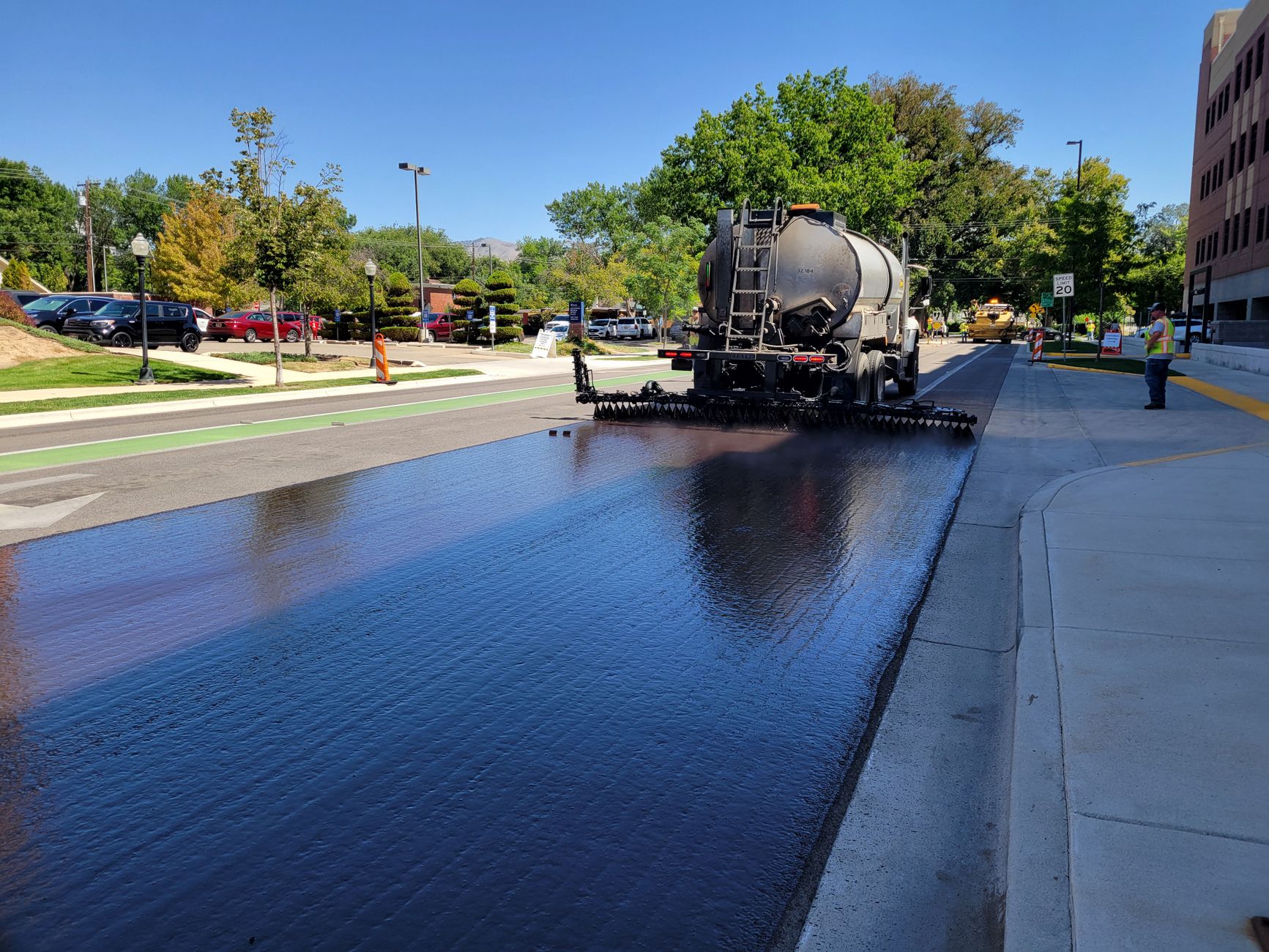


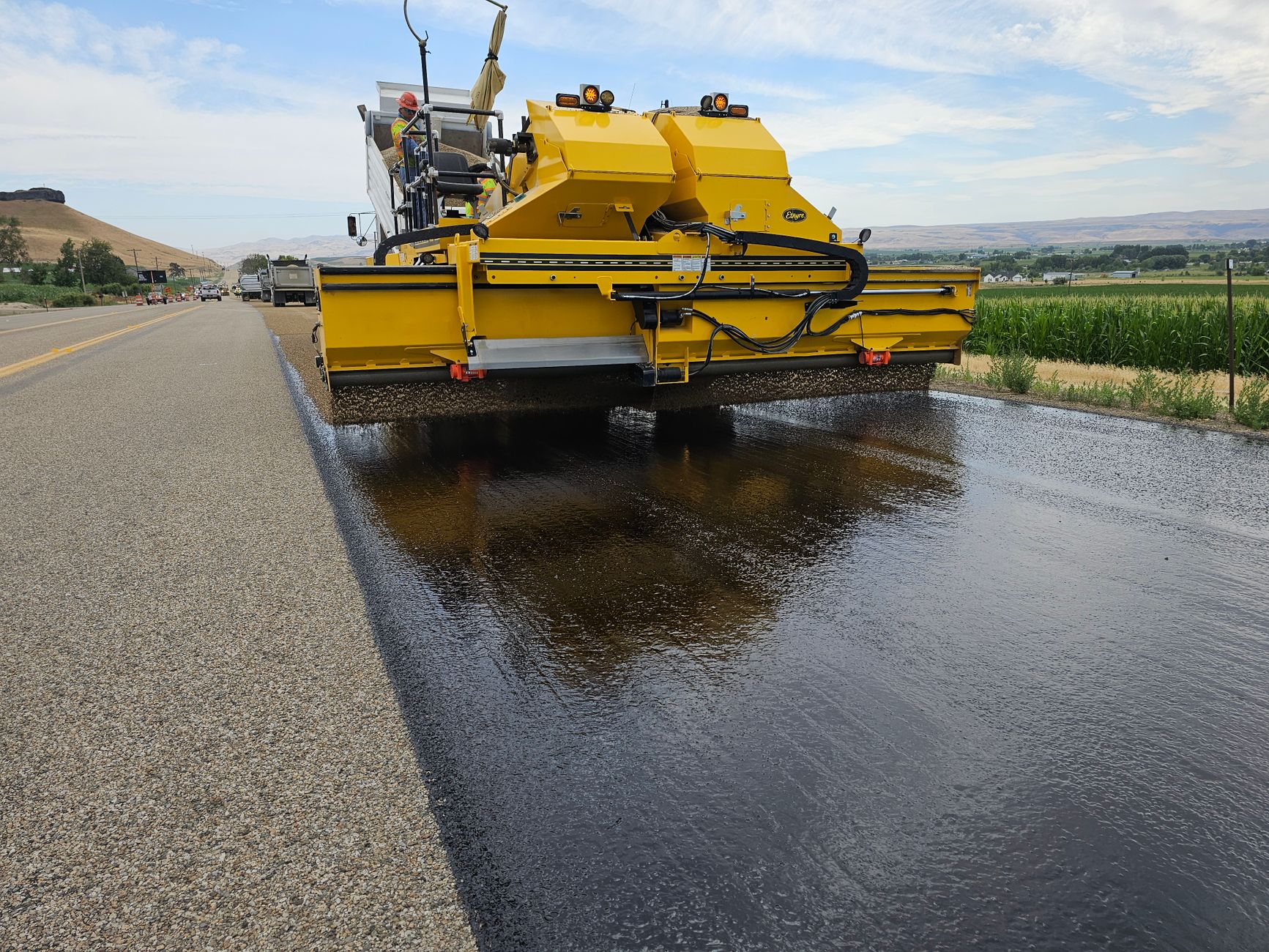
Sealcoating is a protective layer—coal-tar emulsion or asphalt emulsion mixed with sand and additives—that seals the surface of asphalt against water intrusion, UV breakdown, and gas or oil spills. It's not structural; it won't fix cracks or stop base failure. But it does slow oxidation and keeps water from working into the pavement, which is what causes most surface deterioration.
Premier Asphalt Repair cleans the asphalt first—power wash if there's oil staining, sweep and blow if it's just dirt. Cracks get filled with rubberized crack filler before sealcoating; the sealer itself won't bridge a crack. Once the surface is clean and dry, we apply two coats of sealer. First coat soaks in and seals; second coat builds thickness and gives you that fresh black look.
“Sealcoating won't fix structural problems. If your driveway has alligator cracking or base settlement, address the real issues first.”
Application is either spray or squeegee. Spray is faster for large lots; squeegee gives better penetration on rough surfaces. Either way, you need dry weather—no rain in the forecast for 24 hours—and temperatures above 50°F during application and overnight cure. Tennessee's humidity can slow dry time, so we avoid sealcoating in heavy dew conditions or right before a cold front.
You'll need to stay off the pavement for 24-48 hours depending on weather. Cooler temps or high humidity stretch that cure time. Once it's cured, the surface is ready for traffic. The sealer will wear over time—2-3 years is typical in Tennessee—and then you reapply.
Sealcoating won't fix structural problems. If your driveway has alligator cracking, potholes, or base settlement, sealcoating just makes it look black for a few months. Address the real issues first, then sealcoat to protect the repair.
We handle sealcoating across Greater Smith County—residential driveways that need protection, small commercial lots, church parking areas. It's maintenance that extends the life of asphalt that's otherwise in good shape.